|
%20(1).png?width=350&upscale=true&name=Inventia-Life-Science_Logo_HighRes_Pink%20(2)%20(1).png) 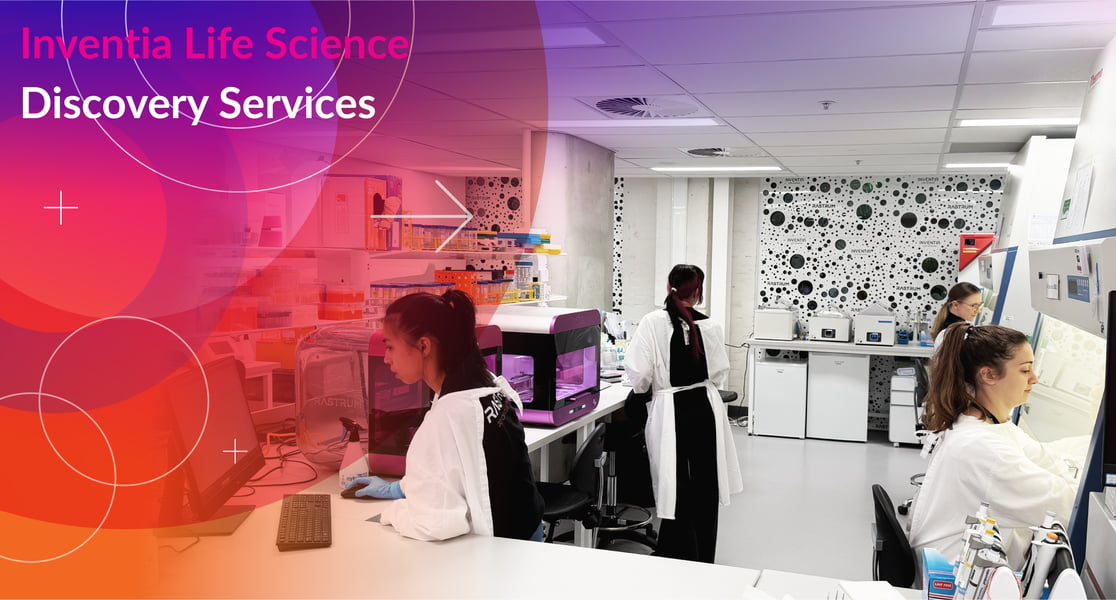
Custom
3D Model Development:
Discovery Services
Not
every research
question fits a predefined
model. Inventia
Discovery Services helps
teams develop,
run, and transfer RASTRUM-based 3D
disease models
aligned to their
biology, therapeutic question,
assay readouts, and context of
use.
From
tumor-stroma and tumor-immune
models to
fibroblast activation, stromal
biology, neurodegenerative
disease, and custom
disease model development,
Discovery Services
can help teams
move from research
question to
interpretable 3D data.
Explore
Discovery Services →
Upcoming
Webinar:
Advances in Immuno-oncology
Join
Inventia Life Science at
Advances in
Immuno-Oncology, a
live virtual symposium
hosted by
Drug
Discovery News on
August 26
to 27, 2026.
This
two-day event
will bring together
researchers discussing
the latest advances in cancer
immunology, from tumor-immune
interactions and immunotherapy
strategies to
mechanisms of resistance and
clinical translation. As part of
the program, Inventia's
Matthieu Spriet PhD will
present a 20-minute session on
how biologically
relevant 3D models can
support immune-tumor
research, including a preview of a
new RASTRUM Validated
Solution launching soon!
Register
for the webinar →
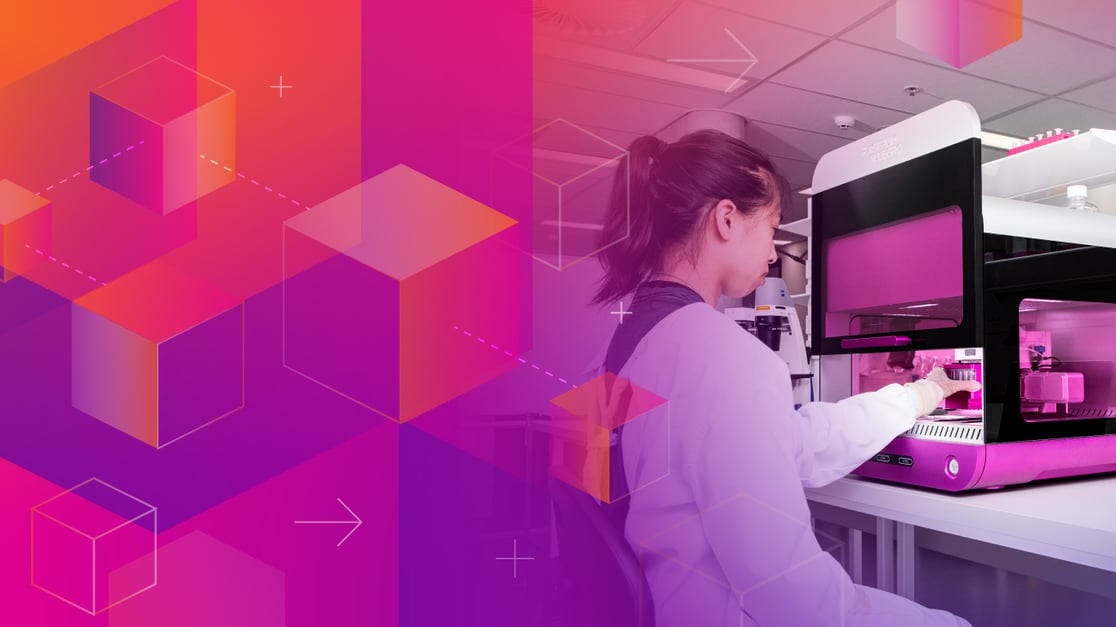
Workflow
Paths:
Find the
Solution that Fits
Your Research Needs
Your
3D model strategy
depends on where
you are starting and what
question you
need to answer.
-
Validated
Solutions
provide predefined
model blueprints for specific
applications and contexts of
use.
-
Discovery
Mode
gives teams
flexibility to develop and
refine RASTRUM-based 3D
models around their
own biology,
readouts, and workflow needs.
-
Discovery
Services
offers scientific
support for custom model
development when
your question requires a more
tailored approach.
Together,
these workflow
paths help research
teams match
the right level of
structure, flexibility, and
support to
their goals.
Find
your path →
Inventia
Insights: Getting More
from 3D Models
This
month’s blog updates
focus on what
happens before and beyond
the model
build: how to prepare for a
stronger first RASTRUM print and
how advanced in vitro
workflows can help
bridge the
gap between simplified
culture systems and
complex in vivo biology.
New!
Before Your
First RASTRUM Print: 10 Tips for a
Stronger Start
Planning
a successful 3D print starts before
cells enter the printer.
This practical guide
helps new RASTRUM
users think through
matrix selection,
cell health, controls,
assay design, and how
to use prior 2D or 3D
experience to
build a stronger starting
workflow.
Get
the tips →
New! In Vivo
to In Vitro: My
Journey Supporting Science
What
happens when
someone who spent 12
years supporting in vivo and
preclinical research
turns their focus
to advanced 3D cell
culture? In this
perspective piece, Sal
DiLisio reflects
on the translational
gap between
traditional in vitro models
and in vivo biology, and
why more biologically relevant 3D
workflows can
help researchers ask
better questions
earlier in discovery.
Read
Sal's story →
Related
reading: The
Rise of 3D Models:
From Buzz to
Benchside Reality
A conversation with Morgan Hamon PhD on
how 3D models
are becoming more practical for
biomedical research,
from better biological
relevance to
the reproducibility and scale
needed for everyday
workflows.
Read
the article →
|